You're Losing 40–60% of Your Best Candidates and Barely Noticing
Where qualified candidates vanish in the interview funnel — and the specific fixes that have moved acceptance rates from 55% to 78% | TopHire.co
Where qualified candidates vanish in the interview funnel — and the specific fixes that have moved acceptance rates from 55% to 78% | TopHire.co

The average Indian tech company loses 40–60% of qualified candidates between the first interview and the offer stage. Not because the candidates failed. Because they dropped out, they got another offer, lost interest, or simply stopped responding because nobody followed up for two weeks.
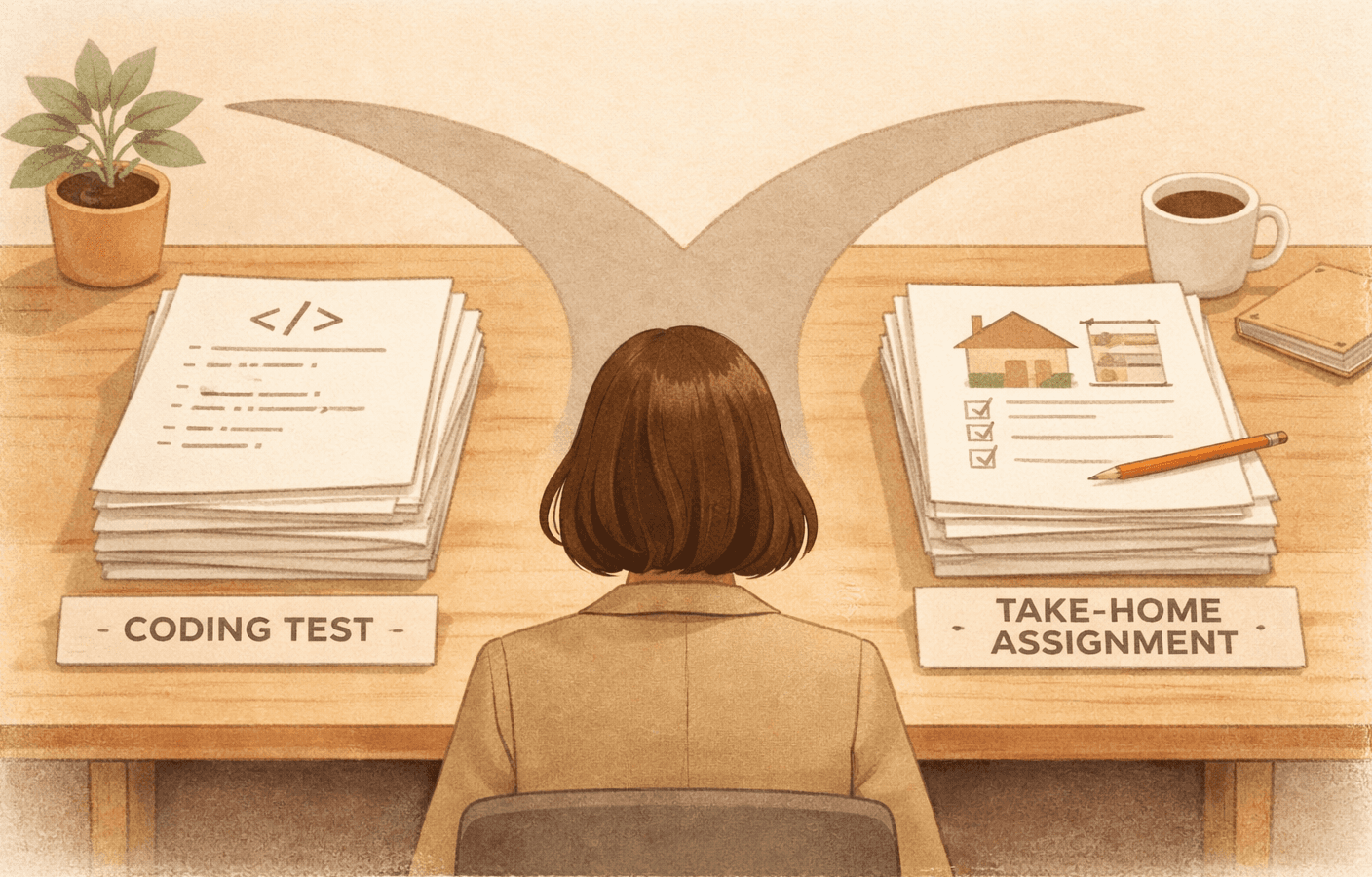
30–40% don't attempt it. Usually, because they're juggling multiple processes, and yours didn't feel urgent or interesting enough.
This is the biggest leak. A candidate finishes round 1 on Monday. Hears nothing until Thursday. Gets a "we'll schedule round 2 next week" email on Friday. By Monday, they'll have moved forward with two other companies. 20–30% drop-off here.
The offer takes 5–7 days to go out because of approvals and comp benchmarking. In that window, someone else makes them an offer. Another 10–15% gone.
Their notice period is 60 days, and in those 60 days, their current employer counteroffers or another company swoops in. 10–20% of accepted offers don't convert to joins.
From first interview to offer letter, 10 business days or less. One of our clients moved from a 3-week process to an 8-day process. Their offer acceptance rate went from 55% to 78%.
Even if the feedback is "you're moving to the next round." Silence is what kills you. When a candidate hears nothing for 3 days, they assume the worst and start investing energy elsewhere.
Have one person responsible for pinging the candidate every 2–3 days with updates. Even a "still collecting feedback, update by tomorrow" message dramatically reduces ghosting.
Companies with the lowest drop-off rates have interviewers who spend 5–10 minutes at the end of each round talking about what the team is working on and why they enjoy being there.
"Here's our process: 3 rounds over 7–10 days. We make offer decisions within 48 hours of the final round." That email sets expectations that prevent 80% of the "is this still happening?" anxiety.
Have a conversation about counteroffers before the candidate resigns. "Companies often counteroffer when someone resigns. Have you thought about how you'd handle that?" Planting that seed early means the candidate has already decided before the counteroffer arrives.
Most candidate drop-off is self-inflicted. Speed, communication, and respect. That's it. Everything else is a minor optimisation on top of those three.