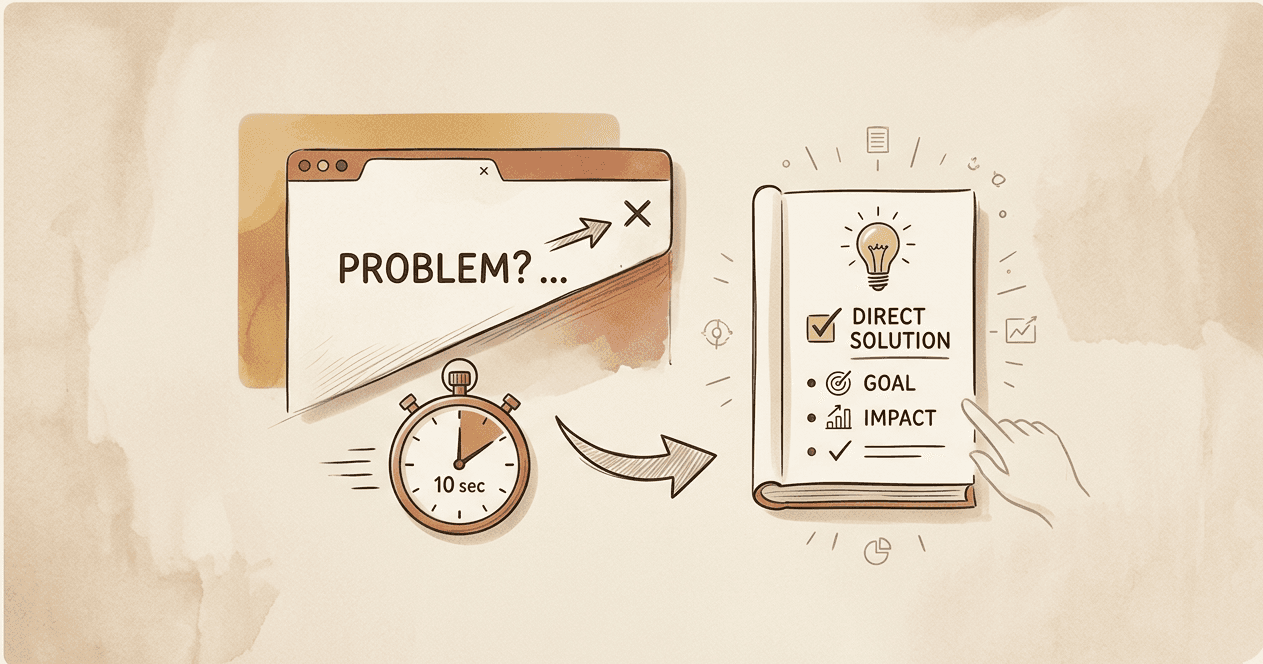
"We've Decided to Move Forward With Other Candidates" Is Not Feedback
The 5 minutes it takes to write a real rejection creates more goodwill than any recruiting campaign you'll ever run | TopHire.co
The 5 minutes it takes to write a real rejection creates more goodwill than any recruiting campaign you'll ever run | TopHire.co
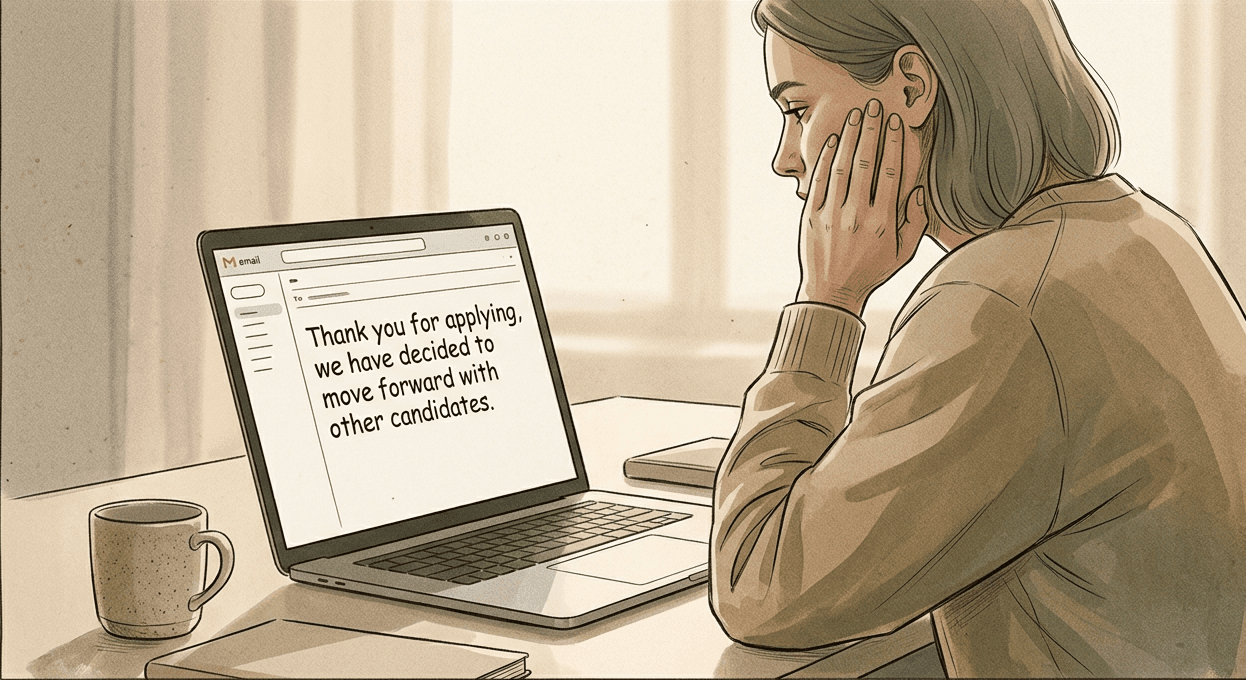
Across all the rejections our clients send, fewer than 20% include any specific feedback. The rest are some variation of "after careful consideration, we've decided to move forward with other candidates." The cost of generic rejections is higher than companies realise, and the fix is simpler than they think.
Your employer brand depends on it - a rejected candidate with useful feedback becomes an advocate; one with no feedback becomes a detractor
Your talent pipeline depends on it - the candidate you rejected might be perfect for a different role in 6 months; they'll take your call if you gave them a thoughtful rejection
Your marketplace reputation depends on it - hiring managers known for good feedback attract better candidates; engineers talk
Good feedback is specific, actionable, and kind. Three to five sentences is usually enough.
Bad: "We felt the candidate's technical skills didn't meet our bar."
Good: "Your approach to the first problem was solid — you identified the right data structure and handled edge cases well. On the second problem, we noticed you jumped into coding before fully understanding the constraints, which led to a solution that didn't handle the time complexity requirement. We'd recommend practising more system-design-flavoured coding problems where the constraints aren't immediately obvious."
Bad: "We're looking for someone with more experience in distributed systems."
Good: "You showed a strong understanding of the basic architecture, and your database choice was well-reasoned. Where we felt there was a gap was in handling failure modes — the discussion didn't go deep enough into retry logic, dead letter queues, or data consistency during partial failures. Spending more time on failure scenarios would strengthen your approach."
Bad: "We didn't feel there was a cultural fit."
Good: "The concern was around collaboration style - when discussing how you'd handled a past disagreement with a product manager, the approach you described was focused on escalation rather than direct conversation, which doesn't align with how our team resolves conflicts. This isn't a judgment on you - it's a specific mismatch with our team's working style."
After every interview, the interviewer answers three questions:
Start with something positive and genuine - not flattery, a real observation. "Your code was clean and well-organised." "You asked clarifying questions that showed strong product thinking." Starting with a positive signal to the candidate that you actually paid attention.
Be specific. Name the question, the topic area, or the skill. "When we discussed caching strategies..." or "In the behavioural question about handling competing priorities..." Don't say "technical skills were below bar." Say what skills, tested how, fell short where.
If you can offer a specific suggestion, do it. "Practising system design problems with a focus on non-functional requirements would help." Even a general direction is better than nothing.
Email is fine — a well-written email is actually better than a call because the candidate can re-read it and refer back while preparing for future interviews
Send it within 5 business days of the rejection — feedback loses value over time
Use the recruiter as the messenger if you prefer — the interviewer writes it, the recruiter delivers it
In practice, specific, well-intentioned interview feedback has virtually zero legal risk in India. What creates risk is discriminatory feedback based on protected characteristics. If your feedback is about job-relevant skills and fit, you're fine.
The feedback described above takes 3–5 minutes to write. Your interviewer spent 60 minutes in the interview. Adding 5 minutes of feedback is an 8% increase in time investment for an enormous increase in candidate experience.
"The candidate wasn't good enough to warrant feedback"
Every candidate who invested time in your process deserves a response. Especially the ones who struggled - they need the feedback most.
Here's what happens when you consistently give good rejection feedback: rejected candidates improve, re-interview 6–12 months later, and get hired. Rejected candidates refer their friends. Glassdoor reviews improve. Recruiters' jobs get easier because when they reach out to a passive candidate, the response rate is higher because people have heard good things.
None of this happens overnight. It compounds over the years. But the companies that invest in rejection quality today are building a talent advantage that's very hard to replicate.