The Company Already Budgeted for Your Counteroffer. Go Ask for It.
In seven years and 2,500+ placements, I have never once seen a company withdraw an offer because a candidate tried to negotiate | TopHire.co
In seven years and 2,500+ placements, I have never once seen a company withdraw an offer because a candidate tried to negotiate | TopHire.co

Most engineers I work with don't negotiate. They get an offer, feel relieved, and accept it within 24 hours. I've watched people leave 2–5L on the table because they didn't know they could ask, or didn't know how. Here's exactly what's negotiable, what isn't, and how to do it without torpedoing the offer.
Indian engineers are culturally uncomfortable negotiating salary. There's a deep-seated feeling that asking for more is greedy, ungrateful, or risky — that the company might withdraw the offer if you push back. In seven years of placing 2,500+ candidates, I have never seen a company withdraw an offer because a candidate tried to negotiate. Not once.
The company expects you to negotiate. They've built room into the offer for it. When you don't negotiate, you're leaving money that was already allocated for you.
Most companies have a salary band with a low end, a midpoint, and a high end. The initial offer is usually at the midpoint or slightly below. There's almost always room to go 5–15% higher. The exception: some large companies with rigid global bands genuinely have hard caps. If it's a startup, there's almost certainly flexibility.
This is the easiest thing to get because it's a one-time cost. If they can't move on fixed salary, ask for a joining bonus. "I understand the fixed salary is at the top of the band. Would it be possible to bridge the gap with a signing bonus?" I've seen joining bonuses of 1–5L added after exactly this conversation.
The percentage itself is usually fixed for a given level. But some companies can adjust the guaranteed portion. "Can we make 80% of the variable guaranteed for the first year?" is a reasonable ask, especially if you're taking a risk by joining a younger company.
At startups, the ESOP pool is allocated by founders with discretion. Asking for an additional 0.05–0.1% (at the early stage) or a larger grant (at the later stage) is fair game for senior roles.
If the offer is for "Software Engineer" and you're currently a "Senior Software Engineer," ask for the senior title. It costs the company nothing and prevents you from explaining a perceived demotion in every future interview.
Employer PF contribution (legally mandated formula). Gratuity (legally mandated calculation). Insurance coverage (company-wide policy). Leave policy (typically company-wide). Work from home policy (typically team or company-wide).
Don't negotiate on a verbal phone call. Ask for the complete offer letter or a detailed salary breakup in an email. "Thank you for the offer. Could you send me the detailed breakup so I can review it properly? I'd like to come back to you within 2–3 days."
Calculate your monthly take-home from the offer. Compare fixed-to-fixed, not CTC-to-CTC. Determine what number would make you genuinely excited to accept.
Call the recruiter - not email, tone matters. "I'm really excited about the role. The offer is close to where I need to be, but the fixed salary is a bit below my expectations. I was hoping for [Y]. Is there flexibility to get closer to that number?" Then stop talking. Make your ask and wait. The silence is uncomfortable, but it works.
If they say yes: great, get the revised offer in writing. If they say "let me check, "that's a good sign. If they say "this is our best and final": you now have a decision to make - accept, decline, or ask for something else (title, start date, WFH flexibility).
Never say "I have another offer at X" unless you actually do. Recruiters talk to each other. The industry is small. If you genuinely have a competing offer, be upfront about it. "I have an offer from [company] at [X fixed]. Your role is my first choice, but the gap is significant. Can we close it?"
Negotiating too late - once you've said "I accept," it's over
Negotiating on emotion - "I feel I deserve more" isn't an argument; market data is
Focusing only on CTC - negotiate on fixed salary and take-home, that's the money you live on
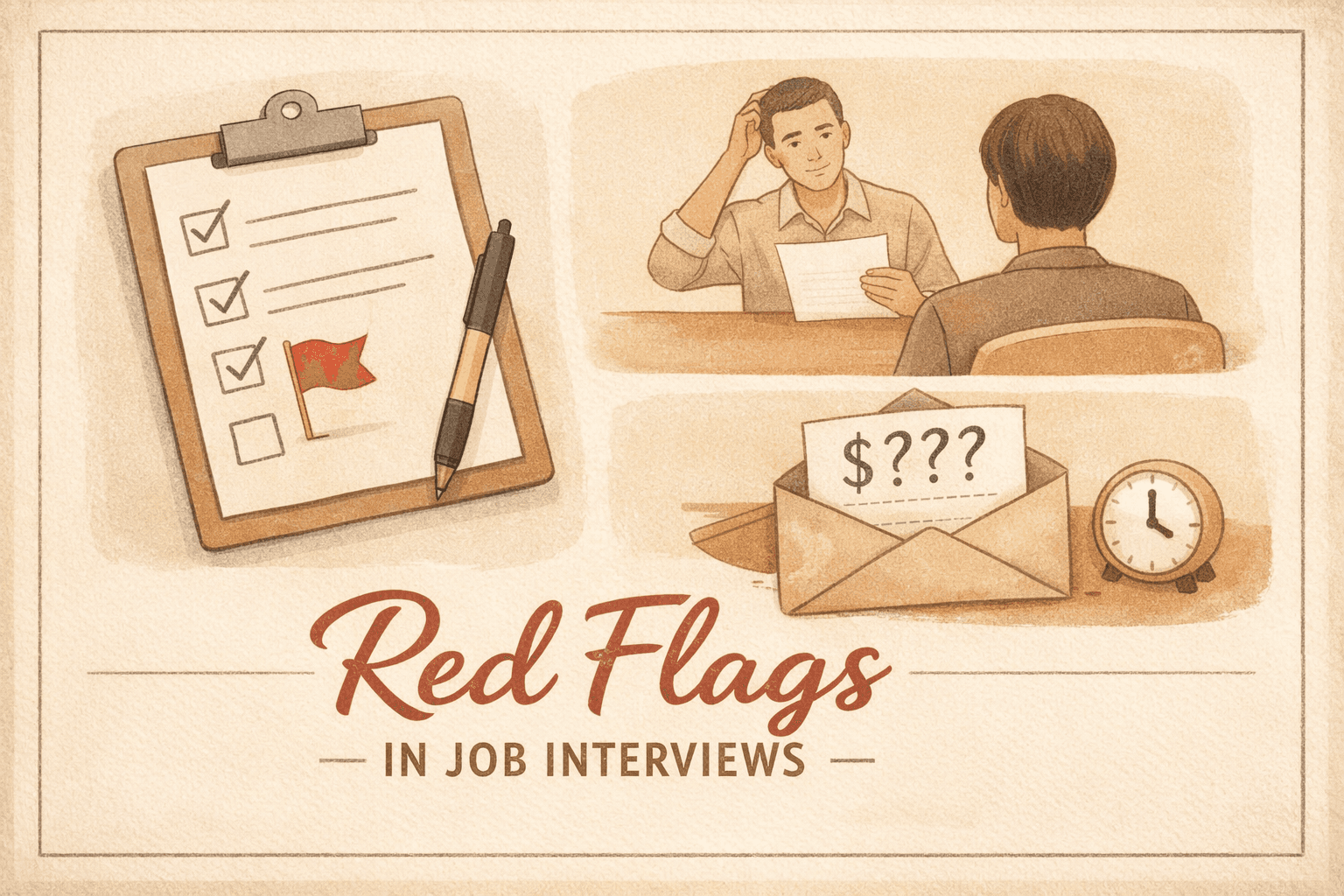
Accepting immediately out of fear - any company that pressures you into deciding on the spot is waving a red flag
The best time to negotiate isn't when you get the offer. It's during the interview process, when you're building value. Every impressive answer you give increases the hiring manager's willingness to stretch the budget. Your interview performance - not your negotiation skills - is what determines the ceiling. Interview exceptionally well. Everything else is optimisation on top of that.